Port Credit Market Trends & What They Mean for You
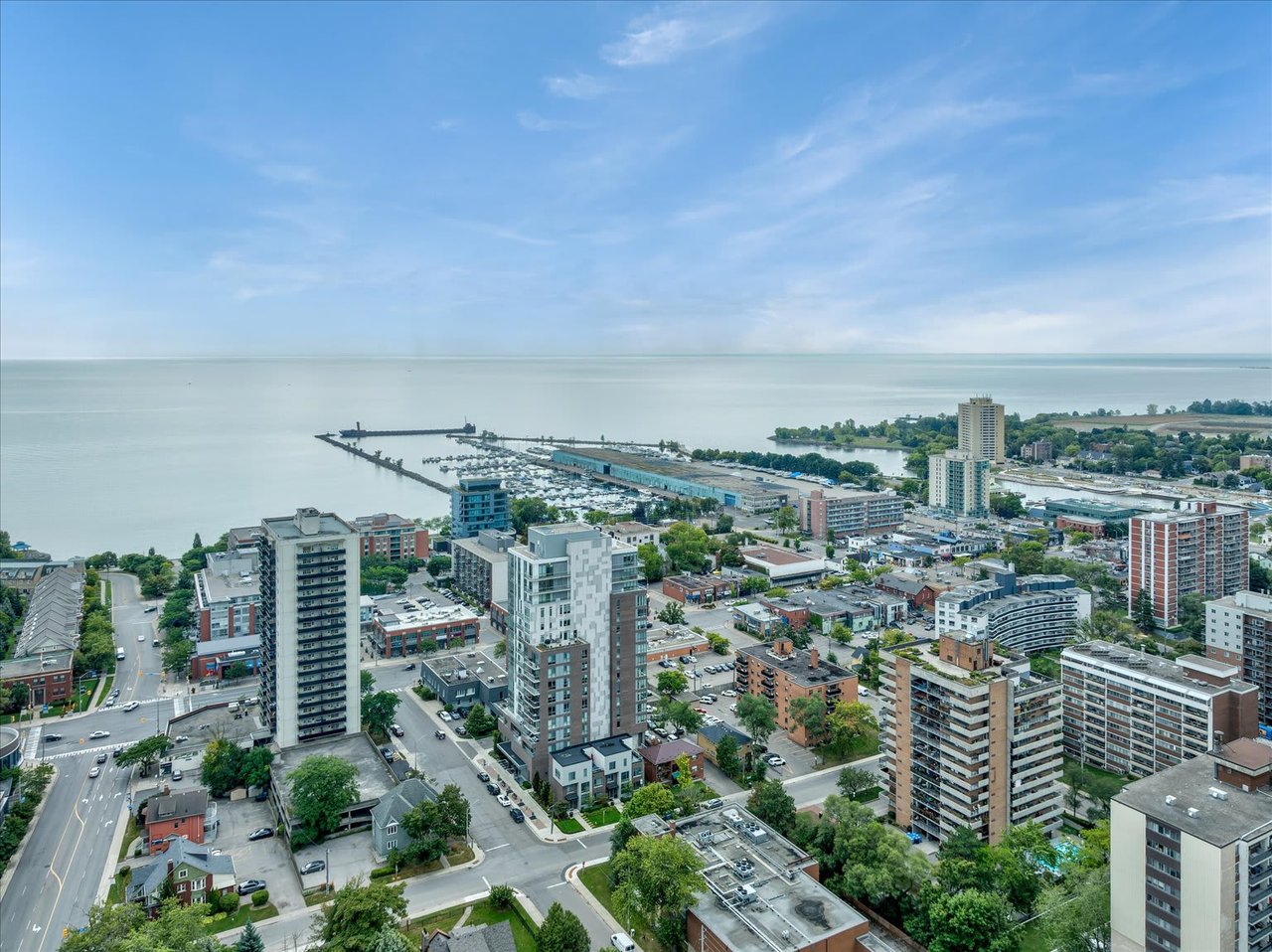
Is Port Credit hot right now? If you are eyeing this waterfront village for your next move, you are not alone. With walkable streets, marinas, parks, and quick GO access, demand here often behaves differently than the rest of Mississauga. In this guide, you will learn how to read the key market metrics, what they usually show in Port Credit by housing type, and how to compare the neighbourhood to the broader city so you can move with confidence. Let’s dive in.
Port Credit sits on Lake Ontario at the southern edge of Mississauga, centred around a charming village core with shops, restaurants, and year-round events. The Port Credit GO Station, Lakeshore Road, and quick access to the QEW keep commutes efficient and lifestyle front and center. Families and downsizers are drawn to the waterfront, parks, and walkability, which creates a consistent amenity premium over many suburban areas.
To get a feel for the neighbourhood experience, the Port Credit BIA highlights local amenities and community events. For planning context and land-use guidance that shape new housing supply, review the City of Mississauga’s Port Credit Local Area Plan.
Market figures change monthly. The most reliable way to understand direction is to track the same core metrics over time and compare Port Credit to Mississauga overall.
Compare this month or quarter to the same period last year and to a rolling 12-month trend. Short monthly blips are common at the neighbourhood level.
DOM measures how long listings take to sell. Short DOM, often under 20 to 30 days, signals stronger demand and a higher chance of multiple offers. Longer DOM, often over 60 to 90 days, points to softer demand or overpricing. In Port Credit, condos typically move faster than detached homes because the buyer pool is larger.
Inventory is the number of homes for sale. Months of supply divides inventory by the average monthly sales pace to show balance between buyers and sellers.
Seasonality matters. Expect more listings in spring and early summer and fewer in late fall and winter. Compare today’s MOI to the same season last year for better context.
The House Price Index (HPI) tracks a quality‑adjusted benchmark home. It controls for shifts in what is selling, so you get an apples-to-apples trend. HPI year-over-year changes are a cleaner signal than average prices. To track the market, follow TRREB’s Market Watch and HPI series alongside the CREA MLS Home Price Index.
Port Credit’s micro‑market is shaped by limited land, more mid and high‑rise buildings near the core, and a lifestyle premium for water access and walkability. That mix often produces quicker absorption and sharper price swings than you see in the citywide average.
Condos make up the largest volume of sales near the village and along the Lakeshore corridor. Because more first-time buyers, investors, and downsizers are active in this segment, condos usually show:
If you are entering Port Credit, condos can be a practical way to secure the location you want with a lower upfront cost than townhomes or detached homes. Compare current median price, DOM, and MOI to Mississauga condo averages to gauge leverage.
Townhomes bridge the gap between condo living and detached homes. In Port Credit, you will find a mix of stacked townhomes near transit corridors and traditional rows in low-rise pockets. This segment often shows:
Track the townhome median price, DOM, and MOI, then compare to the broader Mississauga townhome trend to see whether Port Credit is commanding a premium or offering a relative value this season.
Detached homes are scarce near the waterfront and trade with a significant premium for lot size, renovations, and water proximity. Because there are fewer of them and each property is unique, the data typically shows:
Look at 6 to 12 months of detached sales to smooth out noise. Use the list-to-sale price ratio and MOI to judge whether current conditions favour sellers or buyers.
Port Credit typically trades at a premium to Mississauga averages. The waterfront, village amenities, and GO convenience are major demand drivers. Inventory is smaller and more constrained, which can keep months of supply lower than the citywide figure.
Because Port Credit has fewer total sales each month, you should expect more volatility in short-term price and DOM readings. It is best to rely on quarterly or rolling 12-month comparisons and to cross-check the neighbourhood trend against Mississauga’s municipal numbers through TRREB’s Market Watch and the benchmark trend in the CREA HPI.
Neighbourhood-level numbers move fast, and Port Credit’s smaller sample size can exaggerate single-month swings. To anchor your decisions, use these steps:
The Peterson Team is based in Port Credit and pairs hyper-local insights with a full-service process. With more than $800M in sales and 1,200+ families helped, the team blends boutique presentation with the systems of a top-producing group to deliver accurate pricing, polished marketing, and strong negotiation.
If you are considering a move in or out of Port Credit, get a custom micro‑market report for your home type and a plan tailored to your timing. When you are ready, connect with Brian Peterson for a conversation about strategy, staging, and the steps to reach your goals.

August 20, 2026

August 13, 2026

August 6, 2026

August 6, 2026

July 23, 2026

July 23, 2026

July 16, 2026

July 9, 2026

July 2, 2026
We strive to educate and empower our neighbors and clients in making one of their biggest investments, purchasing or selling a home.