Clarkson GO Commuter Guide for Mississauga Homebuyers
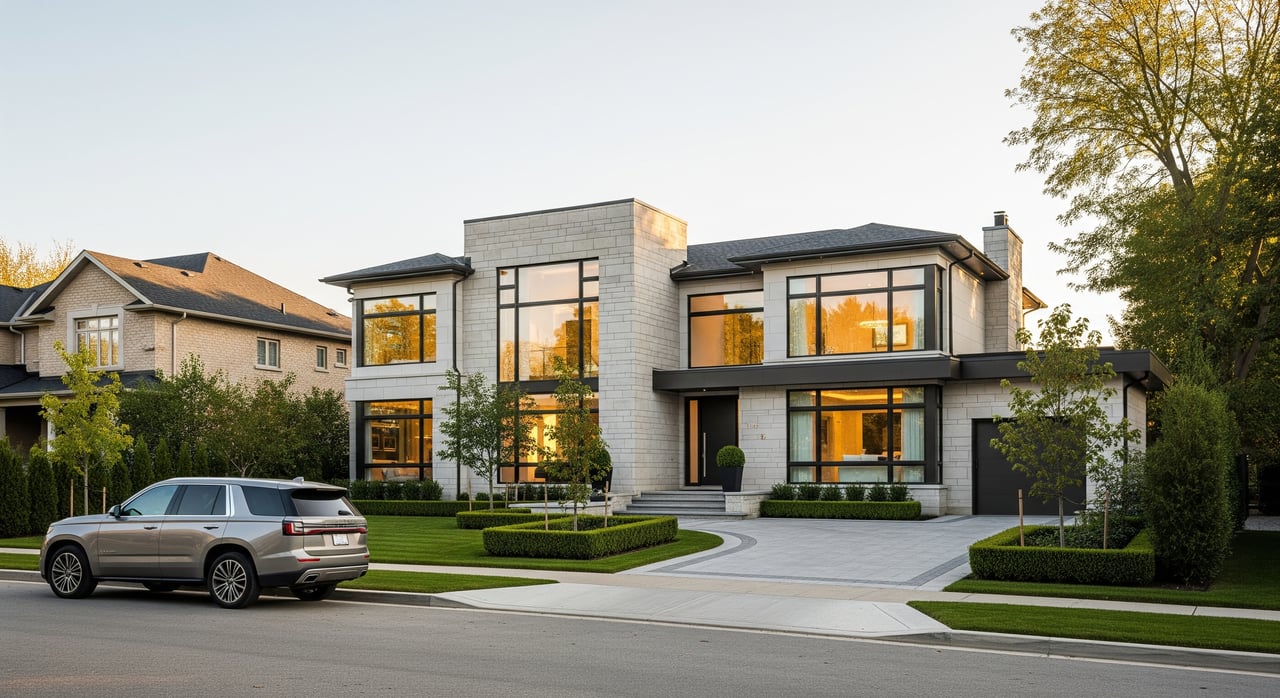
Is shaving minutes off your Toronto commute at the top of your wish list? If you are weighing a condo near the station against a family home a short drive away, you are not alone. Living near Clarkson GO is about balancing walkability, space, parking, and reliable rail access. In this guide, you will learn how the walkable and short‑drive pockets stack up, what to expect with parking and first‑mile options, and how to plan a realistic door‑to‑desk commute. Let’s dive in.
Clarkson GO sits on the Lakeshore West corridor, giving you direct rail access to Toronto’s Union Station and westbound service toward Oakville, Burlington and Hamilton. It serves commuters across southwest Mississauga and nearby parts of Peel Region.
You will find a mix of professionals commuting downtown, local workers heading around Mississauga and Toronto, and families using GO for school, sports and weekend trips. Most households choose between the convenience of a walkable condo or townhouse and the space of a detached or semi with a short drive to the station.
Think of this as the practical 10‑minute walk zone. You will see low‑rise and mid‑rise condos, stacked townhomes, and some older single‑family homes that have been updated or converted to multi‑unit layouts.
This is a 3 to 12 minute drive in typical conditions, depending on local streets and congestion. Housing skews to postwar detached and semi‑detached homes on mid‑sized lots, plus some infill townhomes and low‑rise apartments on major roads.
These areas feature larger suburban homes and newer subdivisions. Many commuters use park‑and‑ride options or drive to the station from farther out.
GO station parking is managed by Metrolinx. Supply and policies can change, and popular stations may fill earlier on weekday mornings. Some lots use permits, pay‑and‑display, or time limits, along with routine enforcement. Check current details on the official station page before you commit to a drive‑to‑GO routine.
Pro tip: Create a backup plan. If the main lot is full, allow extra time for alternate lots or a drop‑off, and adjust your train target accordingly.
Streets close to a major station often see commuter spillover. The City of Mississauga may apply permit parking or time limits in impacted areas. If you are considering a home close to the station, review the local parking bylaw and any residential permit programs so your plan aligns with on‑street rules.
Most stations provide a kiss‑and‑ride area. Expect heavier congestion at peak times. Accessibility features such as ramps and elevators are listed on the station page, which is helpful for families with strollers or anyone with mobility needs.
Many GO stations offer bike racks or covered storage, and some provide lockers subject to availability. Whether a daily bike commute makes sense depends on the quality of local cycling routes and crossings. Check the City of Mississauga bike network for safe paths and plan a test ride at your typical time of day.
Local MiWay routes feed the station and can close the first‑mile gap for both walkable and short‑drive households. Aligning your bus and train schedules is key to avoid wait times. Review current routes and timetables that serve Clarkson GO, especially for morning and late‑evening connections.
Lakeshore West trains connect directly to Union Station. Trip times vary by stopping pattern and time of day. Peak trains are generally faster, with more frequent departures. Off‑peak service typically has longer gaps and can make more stops.
Before you buy, pull the latest timetable and match two to three realistic trains against your morning routine. If you need a connection after Union, factor in the additional walk or TTC transfer.
Condos and stacked towns within the 800 m walk‑shed keep your routine simple.
Checklist:
Short‑drive pockets balance space with a manageable first mile to GO.
Checklist:
If one adult drives and one rides GO, prioritize off‑street parking and smooth morning logistics.
Checklist:
Walkable‑pocket residents enjoy quick access to station amenities and nearby shops. Short‑drive areas offer larger grocery stores and retail strips along major roads. Choose based on where you will run your most frequent errands.
Closer to the tracks, you may experience more noise and vibration. Building design, unit orientation, and mitigation like double glazing can make a big difference. At the street level, look for continuous sidewalks, marked crossings, and adequate lighting for early mornings and late returns. Walk your route at the same time you expect to commute.
Choosing the right pocket near Clarkson GO is about clarity. You want a home that fits your lifestyle and a commute you can trust. Our family‑first team lives and works along the South Mississauga lakeshore and helps buyers compare walkable condos, townhomes, and family homes in the short‑drive ring every week.
With $800M+ in sales, 1,200+ families helped, and a Top 1% TREB ranking across a decade, we bring neighborhood depth and process discipline to every search. If you are planning a move near Clarkson, we will help you test real commute scenarios, confirm parking and first‑mile options, and find the home that makes your mornings easier.
Ready to explore? Start with a conversation with Brian Peterson.
October 22, 2026
October 15, 2026
October 8, 2026
October 1, 2026
September 24, 2026

September 17, 2026

September 10, 2026
September 3, 2026
August 27, 2026
We strive to educate and empower our neighbors and clients in making one of their biggest investments, purchasing or selling a home.