Selling A Toronto Home To Move West Along The Lakeshore
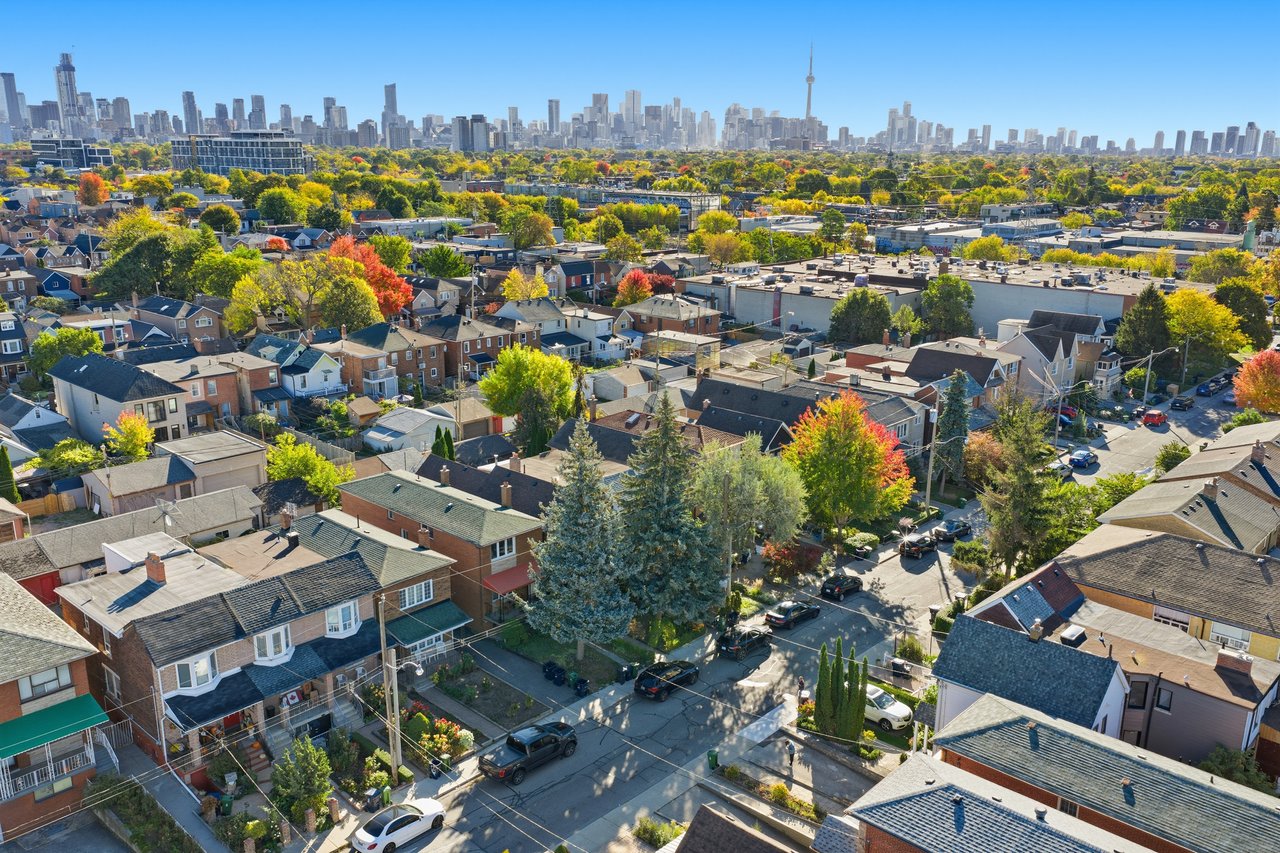
Thinking about selling your Toronto home and moving west along the lakeshore? You are not alone, and you are not imagining the complexity. A move like this can be exciting, but it also raises big questions about timing, budget, and how to line up two transactions without unnecessary stress. The good news is that with the right plan, you can make a smart move that fits both your finances and your next chapter. Let’s dive in.
A Toronto-to-lakeshore move is rarely just about changing postal codes. You may be looking for a different home style, a shorter local routine, or a better fit for your day-to-day life while staying connected to the west GTA corridor.
What makes this move tricky is that you are not only selling in one market. You are also buying into another market that may sit at a similar price point, or in some cases, a noticeably higher one. That means your sale price, purchase timing, and closing costs all need to work together.
TRREB’s May 2026 market watch shows a GTA market that is active, but not overheated. Sales were up 6.3% year over year to 6,583, while the average selling price was $1,069,700, down 4.6% from the same time last year.
That mix matters if you are planning a sale and purchase at the same time. Buyer activity is improving, but prices are still below last year’s levels, which can create both opportunity and pressure depending on where you are headed.
TRREB also reported that the MLS HPI composite benchmark was down 6.7% year over year in May 2026. In practical terms, this suggests that pricing has softened from prior highs, even as more buyers are stepping back into the market.
One of the most important parts of your plan is knowing whether your move is likely to be a lateral move or a step up in price. TRREB’s city-level year-to-date 2026 averages show a clear pricing ladder across the corridor.
Area | YTD 2026 Average Price |
|---|---|
City of Toronto | $989,346 |
Toronto West | $959,770 |
Mississauga | $953,840 |
Burlington | $1,052,208 |
Oakville | $1,327,632 |
At a high level, Toronto West and Mississauga sit in a similar price band. Burlington is generally a step higher, and Oakville stands out as the clearest move-up destination in dollar terms.
For example, Oakville’s average was about $338,286 above the City of Toronto average. Burlington’s average was also about $98,368 above Mississauga’s average, which is enough to affect your down payment, mortgage planning, and comfort level if you are trying to move without a long overlap.
If you are selling in Toronto and buying in Mississauga, your move may feel more manageable on paper, especially if you are staying within a similar property type. That can make the transition feel closer to a lateral move.
If you are moving into Burlington or Oakville, the math often changes. Depending on the size, style, and location of the home you want, you may be using your Toronto equity to move into a higher price bracket rather than simply swapping one home for another.
This is where a realistic pricing strategy matters. If your Toronto sale underperforms expectations, it can affect your options on the purchase side very quickly.
If your move includes a condo sale, a condo purchase, or even a temporary condo stopover, the pricing picture is more nuanced. TRREB’s Q1 2026 condo report found that the market was well supplied, with buyers having substantial choice and negotiating power on price.
In Q1 2026, the average condo apartment price was $649,330 in Toronto, $627,162 in Halton, and $517,441 in Peel. That means some Mississauga condo options may come in materially below Toronto condo pricing, while Halton condo pricing can look much closer to Toronto levels.
This matters if you are considering a staged move. For some sellers, selling a Toronto house and moving temporarily into a west-end condo can create flexibility, but the numbers still need to be reviewed carefully based on the exact area and building.
For most Toronto homeowners moving west, selling first is usually the safer default. The main reason is simple: bridge financing is designed for a temporary overlap, not as a substitute for a clear transaction plan.
Lender guidance from RBC says a firm sale agreement must be in place to qualify for bridge financing. TD also states that borrowers need both the sale agreement for the current home and the purchase agreement for the new home.
That means buying first is not usually the easiest path unless you already have enough liquidity or a pre-arranged way to carry the overlap. For many households, selling first reduces uncertainty and gives you a firmer budget before you commit to your next purchase.
A buy-first approach can work in the right situation, but it is more selective. You may consider it if you have strong available cash, a firm financing plan, and enough flexibility to handle two properties briefly if dates do not line up perfectly.
This can be helpful if you find a rare property in a specific west-lakeshore area and do not want to miss it. Still, the risk is that you commit to a purchase before your Toronto home is firmly sold, which can put pressure on both pricing and timing.
In a moving market, that pressure can lead to rushed decisions. For many families, that is exactly what they are trying to avoid.
There is a middle ground between selling first and buying first. A tightly coordinated concurrent strategy can work when you align the sale and purchase as closely as possible.
The goal is to reduce the gap between closings so you can limit disruption, carrying costs, and temporary housing needs. This approach can be very effective, but it relies on careful negotiation, realistic expectations, and strong date management from the beginning.
Even with good coordination, you should still confirm the details with your lender and lawyer before locking anything in. Small differences in wording, dates, and conditions can have a big impact.
Bridge financing is best understood as short-term gap funding. It helps cover the period when your new home closes before the proceeds from your Toronto sale are available.
Even if that gap is short, you should plan for the reality that you may briefly carry two properties, at least on paper. That is why it is so important to confirm mortgage payments, payout timing, move dates, and your overall cash-flow cushion before you finalize a purchase.
The smoother your overlap plan is, the more confidently you can negotiate. It also gives you a better sense of what is truly affordable, not just what looks possible on a spreadsheet.
When you move west along the lakeshore, your budget should include more than the purchase price. Canada.ca says buyers should be prepared to spend between 1.5% and 4% of the purchase price on closing costs.
That range is a planning guide, not a fixed rule. Your actual total will depend on the property, the transaction structure, and the professionals involved.
There is also an important location-based difference to remember. If you buy in Toronto, you generally pay both Ontario land transfer tax and Toronto’s Municipal Land Transfer Tax. If you buy in Mississauga, Burlington, or Oakville, Ontario land transfer tax still applies, but the Toronto municipal layer generally does not.
City-wide averages are useful for understanding the corridor, but they should not be treated as exact neighbourhood pricing. That is especially true in places like Port Credit, Lakeview, south Mississauga, south Burlington, and Old Oakville, where home type, lot size, and micro-location can change the picture quickly.
TRREB notes that its MLS HPI is designed for apples-to-apples neighbourhood price tracking and is less volatile than average or median prices. Community reports and local comparables are better tools when you need to price a specific sale or evaluate a target area with confidence.
In other words, the headline numbers help you frame the move. The final strategy should still be built around the exact home you are selling and the exact home you hope to buy.
If you are selling a Toronto home to move west along the lakeshore, your decision usually comes down to three questions:
When you answer those questions early, the rest of the process becomes much easier to manage. You can price your Toronto home more strategically, narrow your west-lakeshore search more realistically, and move forward with less guesswork.
A well-planned move is not about chasing the perfect market moment. It is about understanding the numbers, setting the right sequence, and making sure your next purchase supports the life you want on the other side of the sale.
If you are weighing a move from Toronto to Port Credit, Lakeview, Clarkson, Burlington, or Oakville, working with a team that understands both the sale side and the west-lakeshore purchase side can make the transition much smoother. Start your family’s next chapter with a Peterson Team specialist.
August 6, 2026

August 6, 2026
July 23, 2026
July 23, 2026
July 16, 2026

July 9, 2026
July 2, 2026

June 30, 2026

June 29, 2026
We strive to educate and empower our neighbors and clients in making one of their biggest investments, purchasing or selling a home.