Renovate Or List As Is? Selling A Home In Lakeview
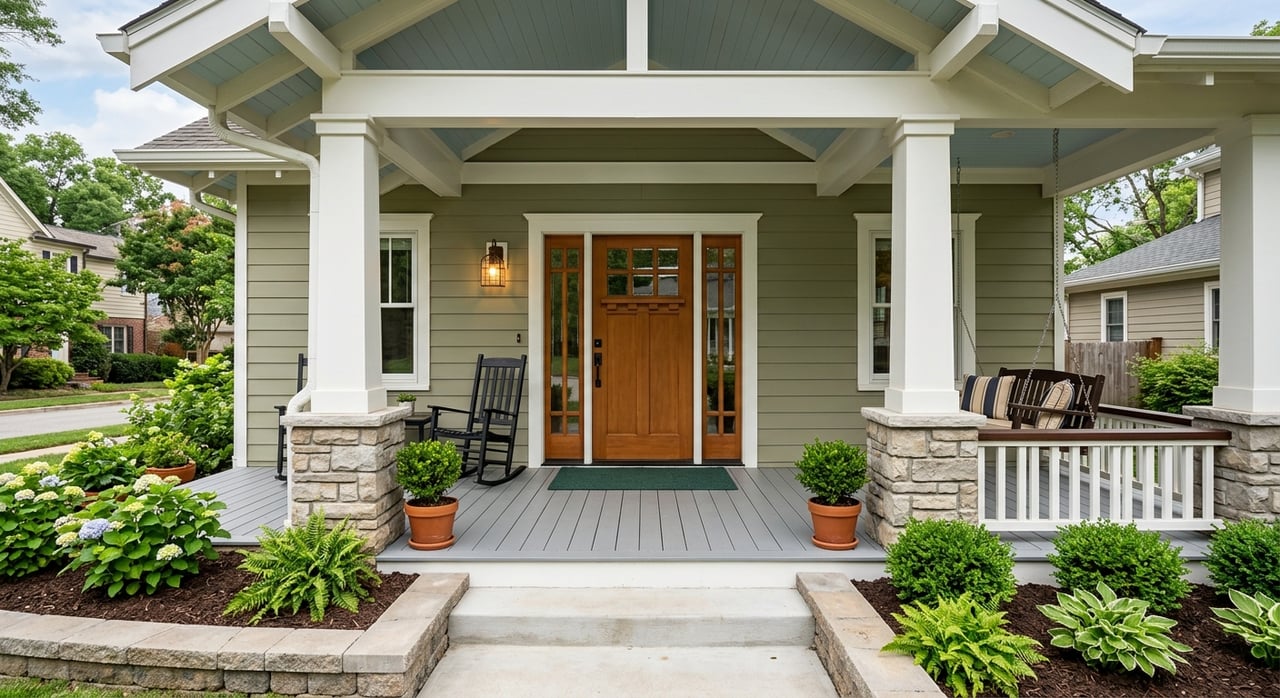
Wondering whether to renovate before you sell in Lakeview? You are not alone. Many homeowners want to maximize their sale price, but it is easy to spend time and money on updates that do not move the needle enough. The good news is that in Lakeview, the smartest path is often simpler than you think. If you are weighing a full renovation against listing as is, this guide will help you decide what is worth doing, what to skip, and how to prepare your home for today’s buyers. Let’s dive in.
Lakeview has a strong local identity, and buyers often respond to that right away. Mississauga planning documents describe Lakeview as a waterfront community where shoreline access, parks, trail connections, and the character of existing neighbourhoods all matter.
That setting shapes how buyers see value. A home in Lakeview is not judged on finishes alone. Buyers are also thinking about the location, outdoor lifestyle, neighbourhood feel, and the long-term appeal of the area.
The nearby Lakeview Village redevelopment adds to that story. City materials describe a 177-acre mixed-use waterfront community with more than 12,000 residential units, over 45 acres of parkland, six parks, an extension of the Trans Canada Trail, and a major pier.
In other words, Lakeview already has a lot working in its favor. That is one reason many sellers do not need an expensive, highly customized renovation to attract strong interest.
For most Lakeview sellers, this is not really an either-or choice. The more useful question is whether your home needs a full renovation, a light refresh, or simply a clean, well-priced as-is launch.
TRREB’s June 2026 market watch reported GTA sales up 9.4% year over year, while new listings declined month over month on a seasonally adjusted basis. That kind of market still rewards strong presentation and realistic pricing. It does not automatically reward overspending on upgrades.
Selling also comes with real costs. Consumer guidance from FCAC notes that sellers may face renovation or repair costs, inspection costs, appraisal costs, staging fees, cleaning fees, moving costs, and possible mortgage prepayment penalties.
That is why your goal should not be to make the home perfect. Your goal should be to make it marketable, appealing, and easy for buyers to say yes to.
A simple framework can help you decide what to do before listing.
A light refresh often makes sense if your home is fundamentally sound but looks tired, dated, or overly personalized.
Typical refresh candidates include:
These updates tend to improve first impressions without pulling you into a long, expensive project.
A larger renovation may be worth considering if it fixes a real issue that buyers are likely to notice and price into their offers.
That can include:
The key is to solve actual objections, not chase design trends.
Selling as is can be a sound option if the home needs substantial work, your timeline is tight, or the likely return on upgrades is unclear.
This can also make sense when Lakeview’s location value already does much of the heavy lifting. Buyers may be willing to accept dated interiors if the property is clean, honest, and priced appropriately for its condition.
In many Lakeview homes, the best pre-listing work is not dramatic. It is the kind of work that helps buyers feel the home has been cared for.
Guidance from CREA and Royal LePage supports this approach. They emphasize decluttering, depersonalizing, repairing, painting, cleaning, improving space flow, and creating a pleasant atmosphere so buyers can picture themselves in the home.
That matters in Lakeview because buyers are often comparing overall feel as much as finish level. A bright, tidy, move-in-ready home usually lands better than one with costly but highly specific upgrades.
If you want to focus your budget, start with the changes that improve perceived maintenance and presentation.
In Lakeview, that often means:
Because Lakeview’s identity is tied to the waterfront, parks, trails, and neighbourhood character, outdoor presentation can carry more weight than sellers expect. A clean yard and inviting entrance help connect your property to the lifestyle buyers already want.
Before you take on a major project, it is important to understand the difference between a refresh and a true renovation.
Mississauga states that most renovation, construction, or demolition projects require a building permit, and zoning rules still apply even when a permit is not required. Projects that typically require permits include basement finishing or a basement apartment, below-grade entrances, decks over 0.61 metres, new or enlarged doors and windows, plumbing fixture relocations, roof alterations, additions, and second units.
By contrast, many cosmetic or like-for-like improvements usually do not require a permit. The City lists painting, cabinet work, driveway resurfacing, landscaping, same-size window replacement, and decks under 600 mm among the items that generally do not require one.
This matters because permit-related projects can increase cost, timeline, and complexity. If your main goal is to get to market efficiently, a non-structural refresh may be the better move.
Some sellers consider finishing a lower level or adding income potential before listing. That can sound appealing, but it should be approached carefully.
If a project involves a second unit, Mississauga says the space must meet Ontario Building Code, Ontario Fire Code, and zoning by-law requirements, and it must be registered with the City. The City also notes there is no fee to register, but building permit, fire inspection, and design or renovation costs may still apply.
If you are thinking about renting out part of the home before selling, there can also be tax consequences. FCAC advises getting financial advice before changing the property’s use.
For many sellers, this means a second-unit conversion is not the right pre-listing project unless there is a clear strategy, enough time, and confidence that the work will be completed properly.
Over-improving happens when you spend more than the market is likely to reward. It is especially common when sellers renovate to match personal taste instead of buyer priorities.
In Lakeview, buyers are often already attracted to the area for reasons beyond your kitchen backsplash or tile choice. Waterfront access, parks, trail connections, and the character of the neighbourhood all support the value story.
That is why practical updates usually outperform highly customized ones. Clean, neutral, functional homes appeal to a wider buyer pool and reduce the risk that your investment will go unnoticed.
Before you renovate, ask yourself:
If the answer points toward broader appeal and lower risk, a refresh is often the strongest play.
If you decide a larger project is necessary, stay focused on scope and process.
Mississauga recommends working with a design professional such as an architect, professional engineer, or qualified designer for larger jobs. Consumer guidance also suggests comparing at least three contractors, checking references, verifying certification, and using a detailed contract that covers scope, permits, payment schedule, warranty, and completion dates.
That kind of structure helps protect your budget and your timeline. It also reduces the chance that a pre-listing renovation creates more stress than value.
If you are selling in Lakeview, your best result usually comes from reducing buyer objections, improving first impressions, and pricing with discipline. That does not always mean renovating. Often, it means making the home feel clean, bright, cared for, and easy to imagine living in.
In a neighbourhood with strong location appeal and growing waterfront momentum, presentation matters. So does restraint. The right strategy is the one that helps your home stand out without overspending on changes the market may not fully repay.
If you want help deciding whether to renovate, refresh, or list as is in Lakeview, Brian Peterson can help you build a smart plan around your home, timeline, and goals.

September 17, 2026

September 10, 2026
September 3, 2026
August 27, 2026
August 20, 2026
August 13, 2026
August 6, 2026
August 6, 2026
July 23, 2026
We strive to educate and empower our neighbors and clients in making one of their biggest investments, purchasing or selling a home.