Moving From Toronto to Oakville for Family-Friendly Areas
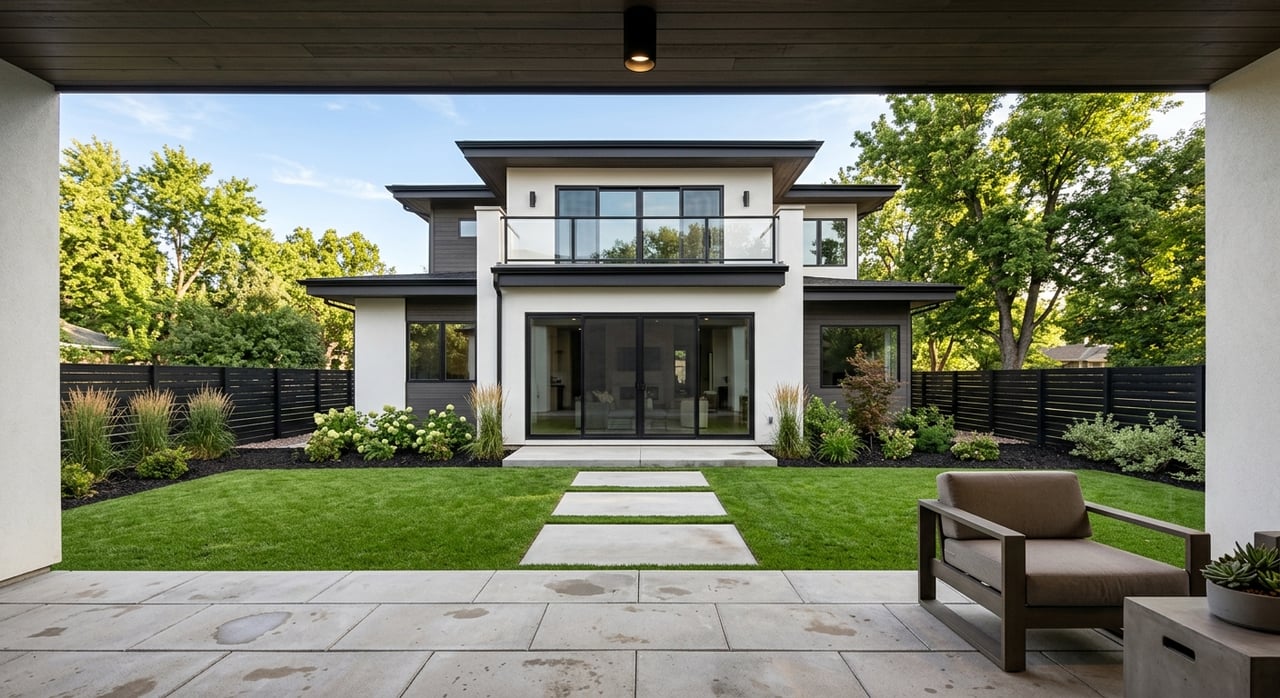
Thinking about leaving Toronto for more space, easier daily routines, and a community that still keeps you connected to everything else? You are not alone. Many families look to Oakville for its mix of trails, parks, transit access, and neighbourhood variety, but choosing the right area can feel overwhelming when each part of town offers a different lifestyle. This guide will help you compare Oakville family neighbourhoods, understand commute and housing tradeoffs, and make a more confident move. Let’s dive in.
Oakville is often on the shortlist for Toronto families who want more room without moving too far west. Oakville is a picturesque lakeside community of about 244,000 residents with 255 kilometres of trails, 1,863 hectares of parkland, and access to the QEW, Highway 403, Highway 407, and GO Transit.
That combination matters if you want a home that supports both work and family life. You can gain access to more suburban housing options while staying in a location that remains connected to Toronto and the broader west GTA corridor.
Oakville also offers a wide range of neighbourhood types. Some areas feel historic and walkable, some feel more urban, and others are newer and more planned. That variety is one of the biggest reasons families give Oakville a serious look.
If you are coming from Toronto, Oakville will likely feel more spread out and more residential. In many areas, you will see a stronger mix of luxury detached homes, semis, townhomes, and lower-density living than you might be used to in condo-heavy parts of the city.
At the same time, Oakville is not one single lifestyle. South Oakville tends to feel more established and walkable, while north Oakville is more associated with newer communities, varied housing styles, and planned neighbourhood centres.
That means your experience will depend heavily on where you land. A move to Downtown Oakville will feel very different from a move to River Oaks or North Oakville, even though all are within the same City.
Bronte is one of Oakville’s most lifestyle-driven choices for families who want a quieter, water-oriented setting. Bronte is characterized as a historic waterfront area with village character, walkable streets along Lakeshore Road West and Bronte Road, Bronte Harbour, Bronte GO, and access to nearby Bronte Creek Provincial Park and Palermo Village.
If your family values weekend walks, waterfront access, and a neighbourhood that feels established, Bronte is worth a close look. It can be especially appealing if you want a setting that feels distinct from Toronto while still offering practical commuter access through Bronte GO.
This area may suit buyers who prioritize atmosphere and walkability over a brand-new subdivision feel. It is often a strong fit for families who want mature surroundings and easy access to south Oakville amenities.
If you are not ready to give up a more urban rhythm, this part of Oakville may feel familiar. Ward 3 includes lake access, Downtown Oakville, historic residential areas, and Midtown Oakville around Oakville GO, which the Town describes as a planned mixed-use urban community with tall buildings, open spaces, and recreation and retail amenities.
Downtown Oakville also includes historic commercial streets with more than 400 shops, services, and restaurants. For Toronto families who still want a walkable environment with daily conveniences nearby, this is about as close as Oakville gets to a city-style experience.
Old Oakville and Downtown tend to appeal to buyers who value character, lake proximity, and an established streetscape. Midtown may attract families who want transit access and a more evolving urban form near Oakville GO.
Glen Abbey and Kerr Village offer an established-family option with a useful mix of housing ages and access to central and south Oakville amenities. Ward 2 includes Glen Abbey Golf Club, Oakville Harbour, Kerr Village, and a band of commercial and employment uses between the QEW and the railway tracks.
Kerr Village also contains many historic labourers’ homes, which adds to the area’s mixed housing character. For families, this can mean a broader range of home styles and price points compared with areas that are more uniform.
This part of Oakville can make sense if you want an established neighbourhood feel without being too far from key roads, services, and waterfront-adjacent areas. It is a practical middle ground for many relocation buyers.
River Oaks and the Uptown Core are often among the most practical choices for families focused on convenience. Ward 5 is mostly residential and includes housing that ranges from apartments to large detached homes, along with River Oaks Community Centre, Lions Valley Park, Oakville Place, Oak Park shopping in Uptown Core, and schools from elementary through post-secondary, including Sheridan College’s Trafalgar Campus.
For many Toronto buyers, this area stands out because it offers a broad housing mix and strong day-to-day functionality. You may find it easier to match your budget and space needs here than in smaller, more tightly defined neighbourhoods.
If your goal is to balance home type, errands, parks, and central access, River Oaks and Uptown Core deserve a place on your list. These areas often appeal to buyers who want flexibility more than a single signature lifestyle feature.
North Oakville is one of the town’s fastest-growing areas and often the closest match for buyers seeking a newer suburban product. Ward 7 includes the Neyagawa Urban Core, Trafalgar Urban Core, upper Dundas Urban Core, and the hospital district around Oakville Trafalgar Memorial Hospital.
The Town’s New Communities information notes that north Oakville includes 14 neighbourhoods, three urban core areas, extensive trails, bike paths, green space, and neighbourhood centres intended to be within about a five-minute walk of most homes. That planned layout is a big draw for families who want newer homes, connected pathways, and neighbourhood convenience.
This area may be especially attractive if you are comparing Oakville with newer suburban communities elsewhere in the GTA. You will often see newer townhomes, detached homes, and mid- to high-density housing in a more master-planned setting.
One of the biggest assumptions buyers make is that all of Oakville works equally well for a Toronto commute. In reality, commute convenience is highly neighbourhood-specific.
Oakville as a whole has strong regional access through the QEW, Highway 403, Highway 407, and GO Transit. Oakville GO also connects with local Oakville Transit and VIA Rail, and GO notes that station improvements began in April 2026, which may affect access and parking. South Oakville also benefits from Bronte GO, and Oakville Transit route 14/14A links parts of south Oakville toward Oakville GO and Appleby GO.
For your family, the better question is not just, “Can I commute from Oakville?” It is, “Which Oakville neighbourhood gives me the most realistic daily routine?” A home that looks ideal on paper can feel very different when school drop-offs, parking, train access, and highway timing are part of the picture.
Many Toronto buyers assume Oakville is simply cheaper, but the reality is more nuanced. According to TRREB’s March 2026 market watch, Oakville average prices were $1,831,909 for detached homes, $1,075,050 for semi-detached homes, $1,015,896 for townhouses, $718,961 for condo apartments, and $787,368 for condo townhouses.
Compared with Toronto Central, Oakville detached homes were about 18.2% lower, semis were about 21.1% lower, townhouses were about 30.2% lower, and condo townhouses were about 14.4% lower. Oakville condo apartments, however, were about 5.7% higher than Toronto Central condo apartments.
The practical takeaway is simple. Oakville often offers more space, more parking, and more yard-oriented living, but the value gap is strongest in semis and townhouses, not always in condo apartments.
For families relocating to Oakville, school planning usually plays a big role in where you search. Oakville offers both public and Catholic school options, and HDSB serves Oakville with programs such as IB, AP, and I-STEM at select schools, while HCDSB lists Catholic schools and school families in Oakville.
The key is to verify attendance at the exact address you are considering. School boundaries are active, not static, and HDSB notes current reviews involving Northwest Oakville and the Oakville NE #1 Secondary School and French Immersion Review. The board says boundary changes could affect families as early as September 2026, and the new NE #1 high school is anticipated to open in September 2027.
The Town also notes that future schools shown on subdivision maps are not guaranteed. If you are buying pre-construction or in a newer area, it is especially important not to treat builder marketing materials as final school confirmation.
If you are narrowing your search, it helps to focus on lifestyle first and then budget, commute, and home type. Different family priorities often point to different parts of town.
Here is a simple way to frame it:
The best fit usually comes down to what your week actually looks like, not just what sounds appealing on a weekend visit. A great move is one that supports school routines, work travel, errands, recreation, and the kind of home life you want over time.
If you are planning a move from Toronto to Oakville, having a neighbourhood-by-neighbourhood strategy can save you time and help you avoid expensive guesswork. The right guidance can help you compare tradeoffs clearly, from commute patterns to housing type to lifestyle fit. When you are ready to map out your next move, a Peterson Team specialist can help you find the Oakville neighbourhood that fits your family best.
Learn More about the Oakville HERE
What does pricing in Oakville look like right now? Check out our Market Statistics page for current and historical statistics
Looking for information about another wonderful neighbourhood to call home? Visit our Communities Page to discover your dream neighbourhood
Who you work with matters in Real Estate. Learn More about our team Here
Need a refresher on the home selling process? Check out our Buyer's Guide Here
June 18, 2026
June 11, 2026
June 4, 2026
May 28, 2026
May 21, 2026
May 14, 2026
May 7, 2026
Neighbourhood Highlights
April 29, 2026
April 23, 2026
We strive to educate and empower our neighbors and clients in making one of their biggest investments, purchasing or selling a home.